

Assisted living and nursing homes both support older adults, but they are designed for different levels of need. Assisted living generally serves people who can no longer manage all daily tasks safely on their own but do not require continuous medical care. Nursing homes, also called skilled nursing facilities, are intended for residents who need regular nursing oversight, rehabilitation, or more extensive assistance with medical and personal needs.
Understanding the difference can help families in Summit Hill make decisions based on safety, health, daily routines, and long-term needs rather than on labels alone.
What is assisted living?
Assisted living is a residential setting for older adults who need help with some daily activities while retaining a meaningful level of independence. Residents typically have private or semi-private living spaces, meals, housekeeping, activities, and access to staff assistance.
Support may include:
- Bathing, dressing, grooming, or toileting
- Medication reminders or medication assistance
- Meal preparation and dining support
- Help with transfers or walking
- Housekeeping and laundry
- Transportation for routine errands or appointments
- Social activities and wellness programs
Assisted living is usually appropriate for someone who can participate in decisions about daily life and does not need around-the-clock skilled nursing. A resident may need help in the morning, at mealtimes, or before bed, but may be able to spend other portions of the day independently.
For example, an older adult who is managing a chronic condition, has difficulty maintaining a home, or has experienced a few falls may benefit from assisted living if medical needs remain relatively stable.
What is a nursing home?
A nursing home provides a higher level of medical and personal care. Residents may need licensed nurses available around the clock, frequent monitoring, rehabilitation, or significant help with most daily activities.
Nursing home care may be appropriate for people who have:
- Complex medical conditions
- Recovery needs after hospitalization or surgery
- Advanced mobility limitations
- Significant swallowing, wound, or pain-management needs
- Frequent changes in medication or treatment
- Serious cognitive or behavioral symptoms
- A need for extensive help with eating, repositioning, or transfers
Some people enter a nursing home for short-term rehabilitation after an illness, injury, or hospital stay. Others live there long term because their medical or functional needs cannot be safely managed in a less intensive setting.
A nursing home is not simply an assisted living residence with more staff. The clinical services, staffing requirements, care planning, and daily routines are generally more medically focused.
How do the two settings differ in daily life?
The main difference is the balance between independence and clinical supervision.
Assisted living often feels more like a residential community. Residents may choose when to get up, where to eat, and which activities to attend. Staff provide support, but the daily schedule may be flexible.
Nursing homes usually have more structured routines because medications, treatments, meals, therapy, and safety checks must be coordinated. Residents may still make personal choices, but the setting is organized around ongoing care needs.
The difference can be understood through an everyday example. A resident in assisted living might need help getting dressed and reminders to take medication but eat independently and walk to activities. A nursing home resident may need help getting out of bed, assistance with meals, scheduled therapy, wound care, and frequent nursing assessments.
Is assisted living less expensive than a nursing home?
Assisted living often costs less than nursing home care, but the final amount depends on the level of assistance, apartment size, medication services, and additional care charges. Nursing home costs are generally higher because they include more intensive staffing, nursing care, and clinical services.
Families should compare what is included rather than looking only at the advertised monthly rate. Questions may include:
- Are meals, utilities, housekeeping, and laundry included?
- Is medication management billed separately?
- Are there additional charges for transfers, incontinence care, or escort services?
- Does the rate change if care needs increase?
- Are therapy, medical supplies, or transportation separate expenses?
- What happens if a resident eventually needs nursing-home-level care?
Coverage also differs. Medicare generally does not pay for ongoing custodial care in either setting, although it may cover certain short-term skilled services when eligibility requirements are met. Medicaid rules vary and may depend on income, assets, care level, and the type of facility. Because payment rules can change and individual circumstances matter, families should verify current coverage before making financial plans.
Which setting is safer for someone with memory loss?
Neither setting is automatically right for every person with dementia or another memory-related condition. Safety depends on the person’s behaviors, mobility, judgment, medical needs, and ability to respond to emergencies.
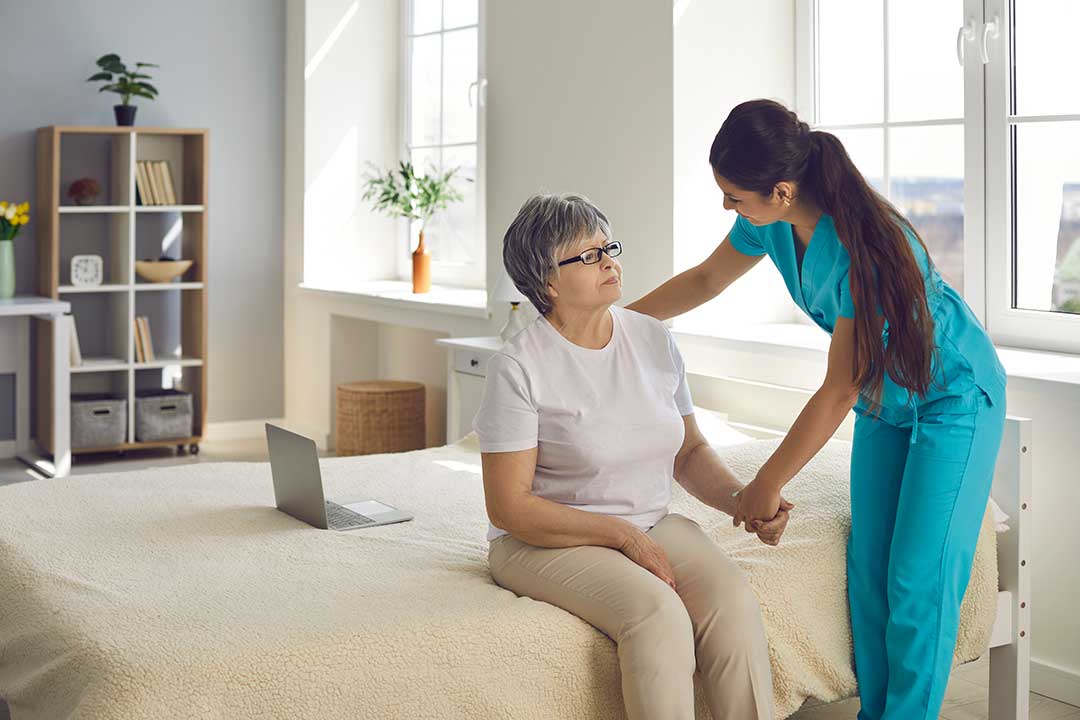
Assisted living may be suitable for someone with mild or moderate memory loss who benefits from reminders, structured routines, and supervision. A specialized memory-care setting may be needed if wandering, aggression, nighttime confusion, or unsafe decision-making becomes more frequent.
A nursing home may be more appropriate when memory loss occurs alongside extensive physical dependence, complex medical care, repeated falls, or an inability to eat, transfer, or use the bathroom safely.
Families should ask how each setting handles wandering, emergencies, medication errors, falls, nighttime staffing, and sudden changes in behavior. A facility’s ability to meet a person’s needs can matter more than its general category.
How do health changes affect the decision?
The right setting can change over time. Someone may begin in assisted living and later need nursing home care after a stroke, serious fall, progressive neurological disease, or decline in the ability to complete basic activities.
Warning signs that a higher level of care may be needed include:
- Repeated falls or emergency visits
- Difficulty taking medications correctly
- Frequent nighttime confusion
- Unintentional weight loss or dehydration
- Increasing difficulty transferring or walking
- A caregiver who can no longer provide safe support
- Medical treatments that require skilled nursing
- Inability to call for help during an emergency
A temporary decline does not always mean a permanent move to a nursing home. Rehabilitation, treatment of an infection, medication changes, or improved mobility may allow a person to return to assisted living or home. Decisions should account for whether the condition is temporary, stable, or progressive.
What should local families consider in Summit Hill?
Seasonal weather and housing conditions can affect whether living at home remains practical. Snow, ice, uneven walkways, heating problems, and power interruptions may create additional risks for an older adult who lives alone or has limited mobility. A home that was manageable in summer may become difficult during winter, especially when driving, walking, or arranging help is challenging.
Families should also consider distance, transportation, and who can respond quickly if needs change. A setting that is technically appropriate but difficult for family members to reach may create stress during illnesses, care conferences, or emergencies.
Before choosing a setting, ask for a clear explanation of:
- The types of care provided now
- The conditions the setting cannot safely manage
- Staffing during overnight hours
- Emergency procedures
- How care plans are updated
- Whether residents can remain if their needs increase
- The process for hospital returns or rehabilitation transitions
The most suitable choice is the one that matches the person’s current needs while allowing room for likely changes. Assisted living emphasizes supported independence; nursing homes provide more intensive nursing and medical care. Comparing those differences carefully can help families make a safer, more realistic decision.
