
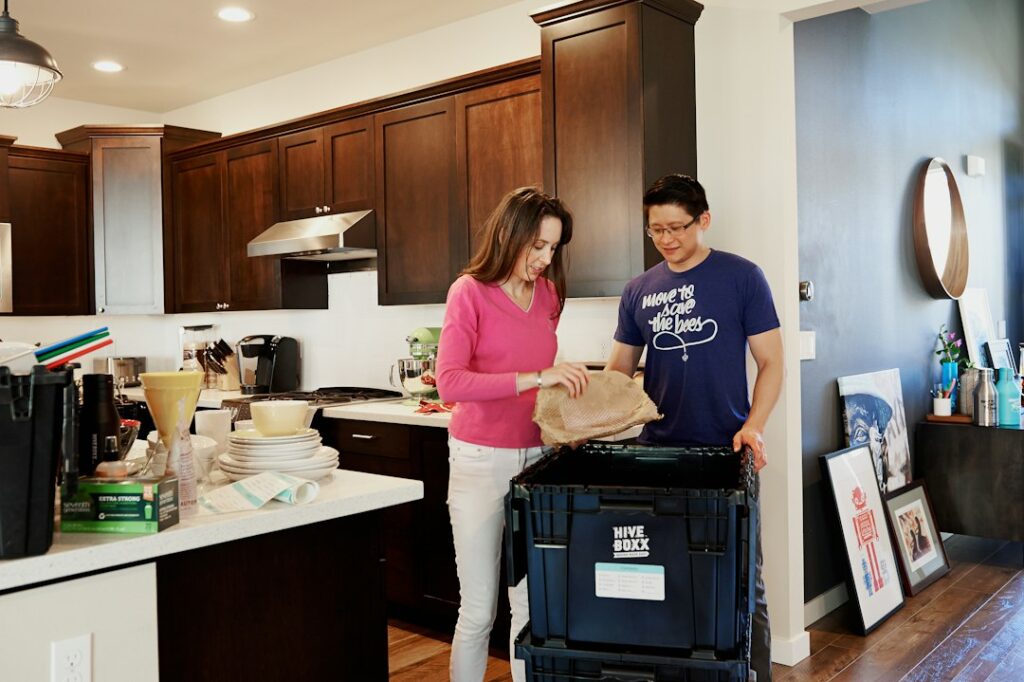
Moving to assisted living often involves more than packing boxes. It requires deciding which belongings support daily life, which carry important memories, and which no longer fit the next stage of living. Starting early can reduce stress, prevent rushed decisions, and give family members time to participate thoughtfully.
What should be done before downsizing begins?
Before sorting possessions, learn the approximate size and layout of the new living space. Assisted living apartments vary, but many have less storage than a private house and may include basic furnishings or limited room for large furniture.
Ask for measurements of:
- The bedroom and living area
- Closets and cabinet space
- Bathroom storage
- Doorways and hallways
- Space for a television, chair, or small table
- Areas where mobility equipment may need to pass
Create a simple floor plan, even if it is only a sketch. Mark where the bed, favorite chair, dresser, clothing, medications, and personal items will go. This makes it easier to choose belongings based on available space rather than emotion alone.
Also consider daily routines. Someone who enjoys reading may need a comfortable chair and a small lamp, while someone who spends more time in shared areas may need fewer furnishings in the apartment.
How early should the process start?
Beginning three to six months before the move is often more manageable than waiting until the final few weeks. A gradual schedule allows time to pause when decisions become tiring or emotional.
A practical sequence may look like this:
- First, remove obvious trash, expired items, broken objects, and duplicates.
- Next, sort seldom-used belongings such as holiday decorations, extra linens, tools, and stored paperwork.
- Then, make decisions about furniture, clothing, kitchen supplies, and sentimental items.
- During the final weeks, pack medications, documents, regularly used clothing, toiletries, and familiar comfort items.
Residents of Summit Hill may also need to account for seasonal changes. Winter coats, heavier bedding, boots, and cold-weather accessories can take up significant space. Keep enough seasonal clothing for comfort and safety, but avoid transporting an entire household’s supply of every season at once.
Which belongings should be kept?
The most useful items are usually those that support comfort, identity, safety, and everyday routines. A smaller space does not need to feel impersonal.
Consider keeping:
- Comfortable clothing that is easy to put on and remove
- A favorite chair, quilt, blanket, or pillow
- A few framed photographs
- Familiar books, music, crafts, or games
- A small number of meaningful decorations
- Important religious, cultural, or family items
- A calendar, address book, or familiar household object
- Practical items that are difficult to replace or personally significant
Choose items that are both meaningful and usable. A collection may be important, but displaying one or two representative pieces can preserve the memory without requiring space for every item.
Avoid packing belongings that create confusion, block walking paths, require complicated maintenance, or have significant monetary value but little personal usefulness. Expensive jewelry, irreplaceable documents, and large amounts of cash may require separate planning for security.
How can family members make decisions easier?
Family involvement works best when it provides support rather than pressure. Downsizing can bring up grief, independence concerns, and memories of a home that has been occupied for many years.
Instead of asking, “What can be thrown away?” try questions such as:
- Which items do you use every week?
- What would make the new room feel familiar?
- Is there someone in the family who would value this?
- Would a photograph preserve the memory if the item cannot be kept?
- Is this object meaningful because of the item itself or because of the person or event connected to it?
The resident should remain involved whenever possible. Family members may see an object as clutter while the owner sees it as a source of comfort, history, or independence.
If disagreements arise, pause the conversation rather than forcing a decision. It may help to create a “not sure yet” category and revisit those items later.
What should happen to furniture and household goods?
Furniture decisions should be based on measurements, safety, and actual use. Large pieces may not fit through apartment doors or may leave too little room for walking, caregivers, or mobility devices.
Before moving furniture, check:
- Whether the item fits the room and doorway
- Whether it creates a trip hazard
- Whether drawers and doors can open fully
- Whether the resident can reach and use it safely
- Whether it interferes with emergency access or bathroom routes
Household goods often require careful editing. A resident may need only a small number of dishes, cups, towels, and clothing items. Keep enough for normal use and laundry delays, but avoid bringing every duplicate.
Items that have been stored in an attic, basement, shed, or detached storage area may be especially difficult to evaluate. Dampness, pests, rust, mold, or extreme temperature changes can damage belongings and may create health concerns. Hazardous materials, leaking containers, unstable shelving, and heavy objects should not be handled casually.
How should important papers be organized?
Important documents should be gathered before packing begins. Keep them together in a clearly labeled, secure folder or container rather than placing them in random boxes.
Documents may include:

- Identification and insurance information
- Health care and medication records
- Financial account information
- Legal documents
- Property, vehicle, or tax records
- Emergency contacts
- Copies of powers of attorney or advance directives, when applicable
- Instructions for pets, plants, utilities, or household responsibilities
Do not discard papers simply because they appear old. Some records may be needed for taxes, property matters, benefits, insurance, or legal decisions. When the purpose of a document is unclear, set it aside for careful review rather than placing it in the trash.
Shred papers containing personal, financial, or medical information. Important originals should remain secure, and trusted family members should know where they are stored if the resident wants that information shared.
What can be given away, sold, donated, or discarded?
Create separate categories instead of placing everything into one large pile:
- Keep for the new residence
- Give to family or friends
- Sell
- Donate
- Recycle
- Dispose of safely
- Decide later
Be realistic about the time and energy required to sell possessions. Photographing, pricing, listing, storing, and arranging pickup can become a second project. Items with strong sentimental value may also be difficult to price fairly.
For belongings that will be passed to relatives, label names clearly and write down who is receiving what. This can reduce arguments later. If several people want the same item, agree on a fair method for deciding, such as taking turns choosing or drawing names.
Do not place medications, cleaning chemicals, batteries, paint, or other potentially hazardous materials in ordinary household trash without checking proper disposal instructions.
How can the move feel more familiar?
A familiar environment can make the transition easier. Pack the first few days separately so essential items are easy to find.
The first-day bag or box might include:
- Comfortable clothing
- Toiletries
- Medications and medication information
- Glasses, hearing devices, and chargers
- Important papers
- Snacks or drinks permitted by care guidelines
- A favorite blanket or pillow
- Family photographs
- A clock or calendar
- Simple entertainment for quiet periods
Use familiar arrangements when possible. Placing a favorite chair near a window, displaying known photographs, or keeping a regular bedtime routine can help the new room feel less unfamiliar.
Downsizing is not simply a matter of getting rid of possessions. It is a process of choosing what will support comfort, safety, memory, and daily life in a more manageable setting. Starting early, using measurements, protecting important documents, and allowing time for emotional decisions can make the move more orderly for the resident and the people who care about them.
